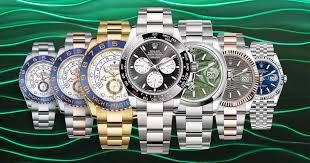

Fake Luxury Watches: Risks, Costs, and Long-Term Consequences You Should Know
Introduction to Counterfeit Luxury Timepieces
Counterfeit luxury timepieces are increasingly present in online marketplaces and informal resale channels. They often replicate design elements of premium brands to attract unsuspecting buyers. In many cases, fake rolex watches are presented as cost-effective alternatives to genuine luxury models, but they carry serious limitations in quality and reliability. While they may look convincing at first glance, these products generally lack certified movements, durable materials, and strict manufacturing standards. As a result, consumers often face disappointment when the product fails to meet expectations in performance, longevity, and value retention.
Rising Market Statistics of Counterfeits
Global reports on counterfeit goods indicate a steady rise in luxury watch imitations across digital platforms. Industry analyses suggest that the counterfeit goods market contributes hundreds of billions of dollars annually to illicit trade. Luxury watches remain one of the most frequently replicated product categories due to high demand and brand recognition. Online marketplaces and social media platforms have made distribution easier, allowing sellers to reach international buyers quickly. This growth trend highlights the importance of consumer awareness, as many buyers are unable to distinguish between authentic and imitation products without professional verification.
Financial and Legal Risks Involved
Purchasing counterfeit watches can expose buyers to financial loss and legal complications depending on regional laws. In many jurisdictions, buying or importing counterfeit goods may violate intellectual property regulations. Consumers may also lose money if the product fails or is confiscated by customs authorities. Additionally, resale value is virtually nonexistent, making such purchases economically unviable. Payment disputes and lack of warranty support further increase risk exposure. Authorities in several countries continue to strengthen enforcement measures, targeting both suppliers and buyers involved in counterfeit trade networks.
Quality and Performance Issues
Counterfeit watches often suffer from poor craftsmanship, unreliable timekeeping, and inferior materials. Unlike authentic luxury timepieces, they are not subjected to rigorous testing or quality control. Mechanical failures, water resistance issues, and rapid wear are common problems. Even minor exposure to environmental conditions can significantly reduce functionality. These limitations make them unsuitable for long-term use or professional settings.
Long-Term Consequences for Buyers
Over time, buyers may face loss of trust, wasted investment, and difficulty distinguishing authentic products, reinforcing the importance of informed purchasing decisions.