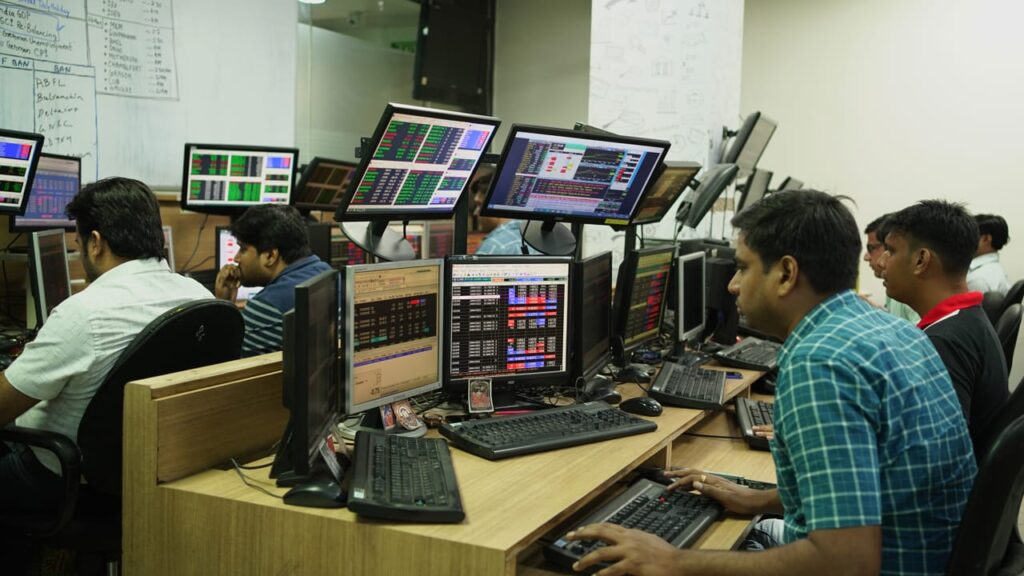

Exploring the Pros and Cons of Prop Trading
Prop trading, short for proprietary trading, refers to financial firms using their own capital to trade financial instruments such as stocks, bonds, currencies, or derivatives to generate profits. While this method of trading offers unique opportunities, it also comes with certain challenges. Here, we’ll explore both the advantages and potential drawbacks of prop trading to provide a balanced perspective.
Advantages of Prop Trading
Access to Large Capital
One significant benefit of prop trading is access to substantial capital. Proprietary trading firms often have more funds at their disposal than individual retail traders, enabling them to execute larger trades and potentially reap higher profits. For skilled traders, this is an opportunity to increase earnings without risking personal funds.
Advanced Tools and Resources
Prop traders typically have access to top-notch trading platforms, advanced software, and analytics tools. These resources can enhance trading strategies, enabling traders to make well-informed and data-driven decisions. The cutting-edge infrastructure provided is often far superior to what most individual traders can afford.
Risk is Shared
Another key advantage is that the financial responsibility is shared between the trader and the firm. Instead of risking personal capital, traders use the firm’s resources, which reduces financial pressure. This setup can encourage traders to make more calculated and strategic moves.
Profit Sharing and Incentives
The profit-sharing model used by many prop trading firms allows traders to earn a significant percentage of generated profits. This incentive motivates traders to perform well while also aligning their interests with those of the firm.
Drawbacks of Prop Trading
High Pressure Environment
The competitive nature of prop trading means that traders often work in high-pressure environments. The expectation to consistently perform and generate profits can be stressful and demanding, especially for those new to the field.
Strict Guidance and Rules
While having access to resources is an advantage, trading under a firm’s name comes with specific protocols and strategies traders must follow. This can limit personal freedom in decision-making, especially for those who prefer autonomy.
Risk of Losses
Although firms bear the financial risks, any losses incurred can affect a trader’s earnings, bonuses, or even their position within the firm. Persistent underperformance can lead to job insecurity or early dismissal.
Challenging to Enter
Prop trading firms often have strict hiring criteria and expect a certain level of proficiency from traders. Breaking into the industry can be difficult without prior trading experience or proven success.
Final Thoughts
Prop trading presents an exciting opportunity for skilled traders, offering significant financial rewards and access to premium resources. However, its demanding nature and associated risks require careful consideration. Aspiring traders should weigh these factors before embarking on a prop trading career to ensure it aligns with their goals, skills, and tolerance for risk.