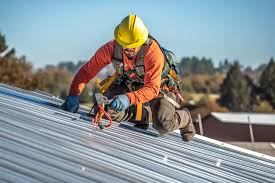

Planning Your Next Flat Roof Installation with Experts
A flat roof can be an excellent choice for commercial and residential properties alike, offering durability, energy efficiency, and a sleek modern appearance. However, the success of your flat roof installation depends heavily on proper planning and working with experienced professionals. Without expert guidance, even minor oversights during installation can lead to significant issues down the line.
If you’re preparing for your next Flat roof installation, here’s everything you need to consider to ensure a smooth and successful project.
Assessing Your Roofing Needs
Before you begin, assess the unique requirements of your building. Every project is different, and factors like climate, building purpose, and budget will influence the materials and design of your flat roof. Start by asking yourself the following questions:
What are your property’s insulation and ventilation needs?
Are there any structural limitations or specific design considerations?
How will temperature fluctuations or weather conditions affect the roof’s performance?
Taking stock of these details provides a strong foundation for making informed decisions.
Importance of Expert Guidance
Flat roofs may look simple, but their installation demands specialized expertise. Unlike sloped roofs, they require precise waterproofing and proper drainage systems to prevent water accumulation. Partnering with experienced roofers ensures that every aspect of your roof is designed and installed to meet industry standards. Experts use advanced tools and proven techniques, addressing challenges unique to flat roofs while minimizing risks of future issues.
Material Selection Matters
One of the most critical decisions you’ll make is choosing the right material for your flat roof. Experienced contractors can help you weigh the pros and cons of popular options, such as:
TPO (Thermoplastic Olefin): Known for energy efficiency and affordability.
EPDM (Ethylene Propylene Diene Monomer): Offers durability and versatility.
PVC (Polyvinyl Chloride): Highly resistant to chemical exposure and fire.
Keep in mind that the material you select should align with your building’s purpose and budget. Professionals can recommend materials tailored to your unique needs while also explaining maintenance requirements.
Professional Drainage and Insulation
A proper drainage system is essential for flat roofs to prevent water pooling, which can lead to leaks and structural damage over time. Professionals design and install drainage solutions like internal drains or scuppers to ensure rainwater is effectively removed.
Insulation also plays a vital role in flat roof performance. Expert contractors can implement insulation materials that improve energy efficiency and climate control while reducing long-term heating and cooling costs.
Why Time Management is Critical
Planning your flat roof installation with an experienced team provides a major advantage in terms of time management. Professionals streamline the process, adhering to strict installation timelines without cutting corners. This ensures your roof is completed on schedule, minimizing disruptions to your business or lifestyle.
Trust Professionals for Long-Term Success
Planning and installing a flat roof is an investment in your property’s safety and value. By working with experienced professionals, you can expect:
Durability: A properly installed flat roof can last decades with minimal maintenance.
Efficiency: Professional techniques reduce energy loss, saving on utility bills.
Peace of Mind: Confidence that your roof is built to withstand harsh conditions without early wear or failure.
Your flat roof is more than just a protective barrier; it’s a critical component that safeguards your property for years to come. Don’t take shortcuts or leave anything to chance. Choose expert consultation, informed decision-making, and skilled craftsmanship for a flat roof that won’t disappoint.