
Strategies for Maximizing Returns With CLO Equity ETFs
Collateralized Loan Obligation (CLO) equity ETFs have emerged as a compelling option for investors seeking exposure to the leveraged loan market while aiming for enhanced returns. These funds invest in the equity tranches of clo equity etf, which are typically the first to absorb losses but also offer the potential for significant income and capital appreciation. Maximizing returns in this space requires a strategic approach rooted in market understanding, risk management, and active portfolio monitoring.
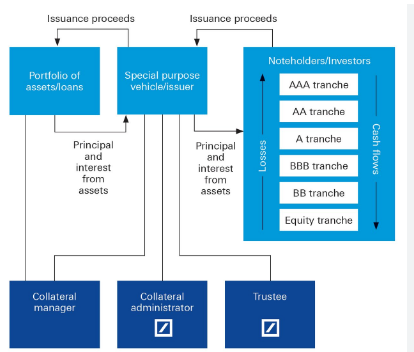
The first step in optimizing returns with clo equity etf is understanding the structure and dynamics of CLOs. Each CLO pools a diversified portfolio of senior secured loans and issues multiple tranches with varying levels of risk and return. The equity tranche, where these ETFs primarily invest, is exposed to higher volatility but benefits from excess cash flow after debt obligations are met. Investors who grasp how these tranches respond to market conditions, interest rate movements, and credit performance are better positioned to make informed allocation decisions.
Diversification is a critical strategy for managing risk while seeking higher returns. While CLO equity ETFs inherently provide exposure to a range of underlying loans across industries, sectors, and borrowers, investors should consider the broader fixed-income and credit market environment. Allocating across multiple CLO equity ETFs or combining them with other asset classes can help mitigate idiosyncratic risk and reduce sensitivity to any single CLO manager’s strategy. This layered diversification supports more stable returns even in fluctuating markets.
Active monitoring of the fund’s underlying assets and performance metrics is essential. CLO equity ETFs are sensitive to changes in default rates, prepayment speeds, and credit spreads. Staying informed about economic indicators, corporate earnings trends, and interest rate movements allows investors to anticipate shifts in cash flows that could affect the equity tranche. Additionally, reviewing quarterly reports and understanding the CLO manager’s approach to loan selection and reinvestment can provide insight into potential performance trends.
Another effective approach involves leveraging reinvestment opportunities. Income generated from CLO equity ETFs, such as dividends or distributions, can be strategically reinvested to compound returns over time. Reinvestment allows investors to benefit from both capital appreciation and ongoing income, amplifying the overall growth potential of the portfolio. Strategic timing of reinvestments, in line with market conditions and the fund’s performance cycle, can further enhance outcomes.
Finally, understanding fee structures and operational costs is important. While CLO equity ETFs offer access to a complex asset class with professional management, expenses can impact net returns. Evaluating management fees, transaction costs, and potential tax implications helps investors optimize net performance while aligning with long-term financial goals.
In conclusion, maximizing returns with CLO equity ETFs requires a disciplined combination of market knowledge, diversification, active monitoring, and strategic reinvestment. By approaching these funds with a comprehensive understanding of their structure, cash flow dynamics, and risk profile, investors can harness the potential of CLO equity exposure while managing volatility. A methodical and informed strategy enables investors to pursue enhanced returns in a sophisticated segment of the credit market.