
watch buying in munich: guide to vintage and modern watches
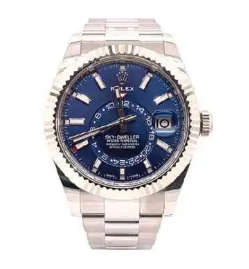
Munich has established itself as one of central Europe’s most significant hubs for horology. Beyond its cultural heritage, the Bavarian capital is a center for luxury commerce, boasting a high density of authorized dealers, independent boutiques, and vintage specialists. For collectors and investors alike, navigating the Watch buying in Munich (Uhren Ankauf München) market requires an understanding of current valuation trends and authentication standards.
Why is Munich a central hub for luxury watches?
The city’s affluent demographic and status as a tourism destination have created a robust ecosystem for high-end timepieces. Market analysis suggests that Germany remains one of the top European markets for Swiss watch exports. In Munich, specifically around Maximilianstraße and the historic city center, the concentration of luxury retailers is exceptionally high. This geographic density facilitates price comparison and access to a wider inventory than is typically found in smaller markets.
What are the current trends in the vintage watch sector?
The secondary market for vintage timepieces has seen substantial growth over the last decade. Statistical trends in the alternative asset class indicate that vintage watches, particularly specific sports models from the 1960s and 1970s, have outperformed many traditional investment vehicles.
In Munich, the vintage trade is driven by a demand for provenance. Collectors are increasingly prioritizing full sets—watches accompanied by their original box and papers. Market data shows that a vintage timepiece with complete documentation can command a premium of 15% to 20% compared to a naked watch of similar condition. This premium reflects the buyer’s need for security and long-term asset retention.
How does the modern market compare to vintage?
While the vintage market relies on scarcity and historical significance, the modern market in Munich is defined by accessibility and demand-supply imbalances. For highly sought-after modern steel sports watches, authorized dealers often have extensive waiting lists.
However, the grey market or secondary market for unworn modern watches is active. Buyers looking for immediate acquisition often turn to professional dealers in Munich who stock these hard-to-find models. It is worth noting that current market corrections have seen prices for some hyped modern models stabilize, offering better entry points for buyers than arguably seen in previous peak years.
What factors impact the value of a timepiece?
When purchasing in Munich, three statistical drivers determine value retention:
Brand Equity: Tier-one manufacturers historically retain value better than fashion-oriented brands.
Condition Grading: The market is unforgiving regarding condition. Unpolished examples with sharp case lines are statistically rarer and more valuable than polished counterparts.
Complications: Generally, mechanical complexity (chronographs, perpetual calendars) adds intrinsic value, though simple time-only models have recently seen a surge in popularity due to aesthetic trends.
Ensuring a secure transaction
The professional standard in Munich involves rigorous authentication. Whether buying vintage or modern, engaging with established dealers who offer warranties and guaranteed authenticity is paramount. As the market value of luxury watches continues to represent a significant financial commitment, due diligence remains the buyer’s most valuable tool.